5 April
2026
5 April
2026
Change of pace
4 April
2026
Long ride on this cool, cloudy day
4 April
2026
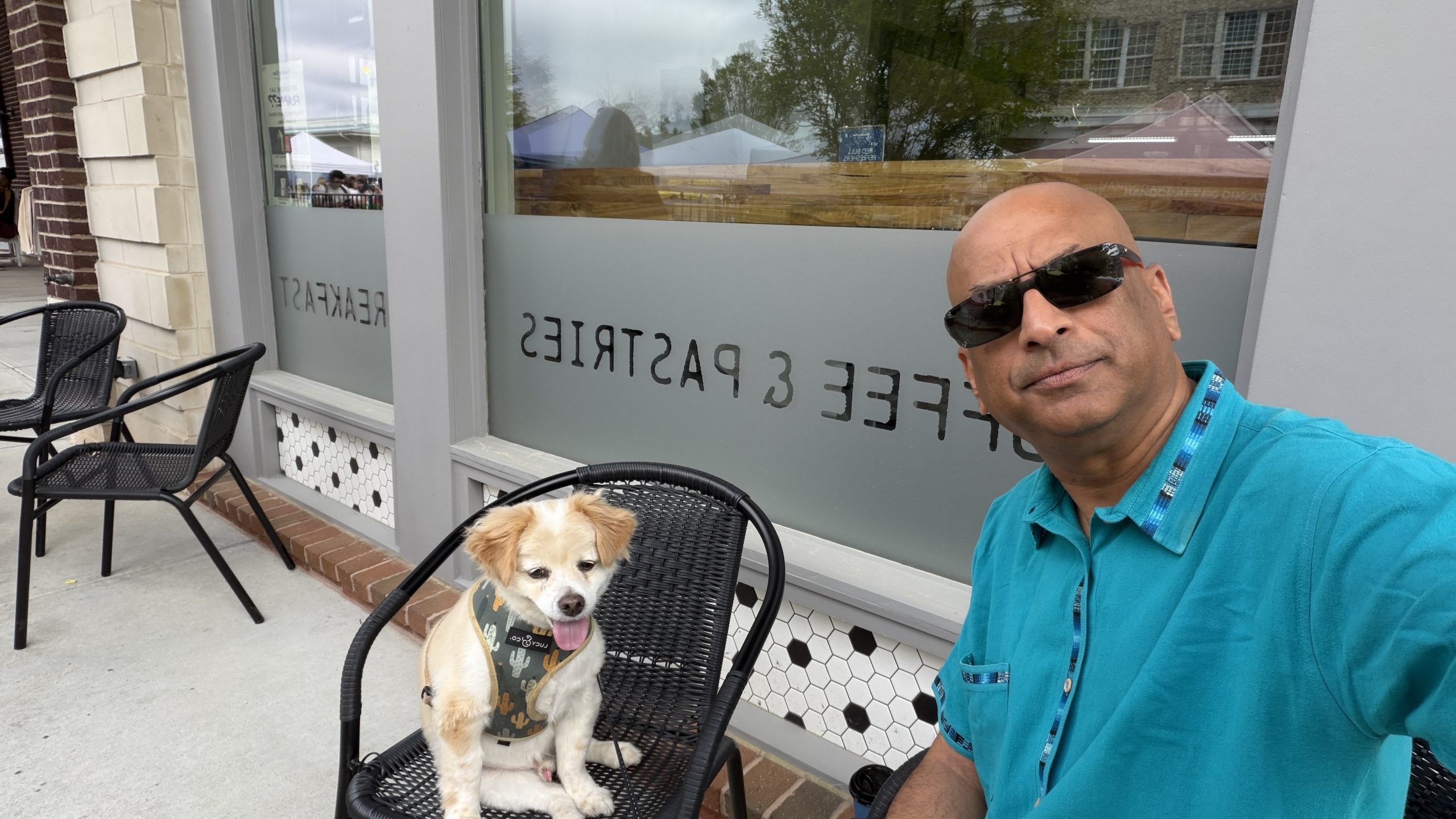
Farmers’ Market is open again in Alpharetta
4 April
2026
5 miles early in the morning
3 April
2026
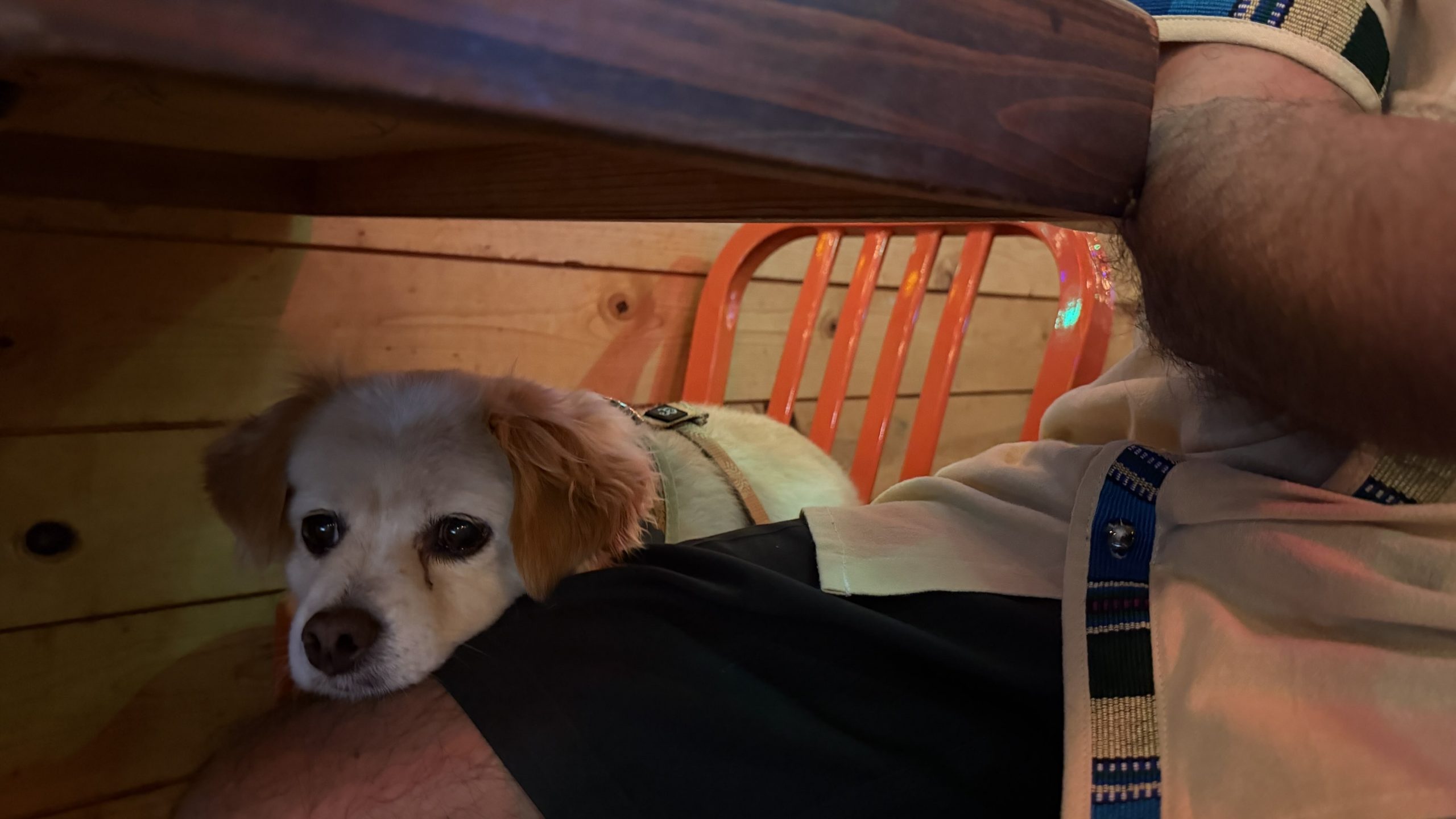
Jay Jay missing mommy
2 April
2026
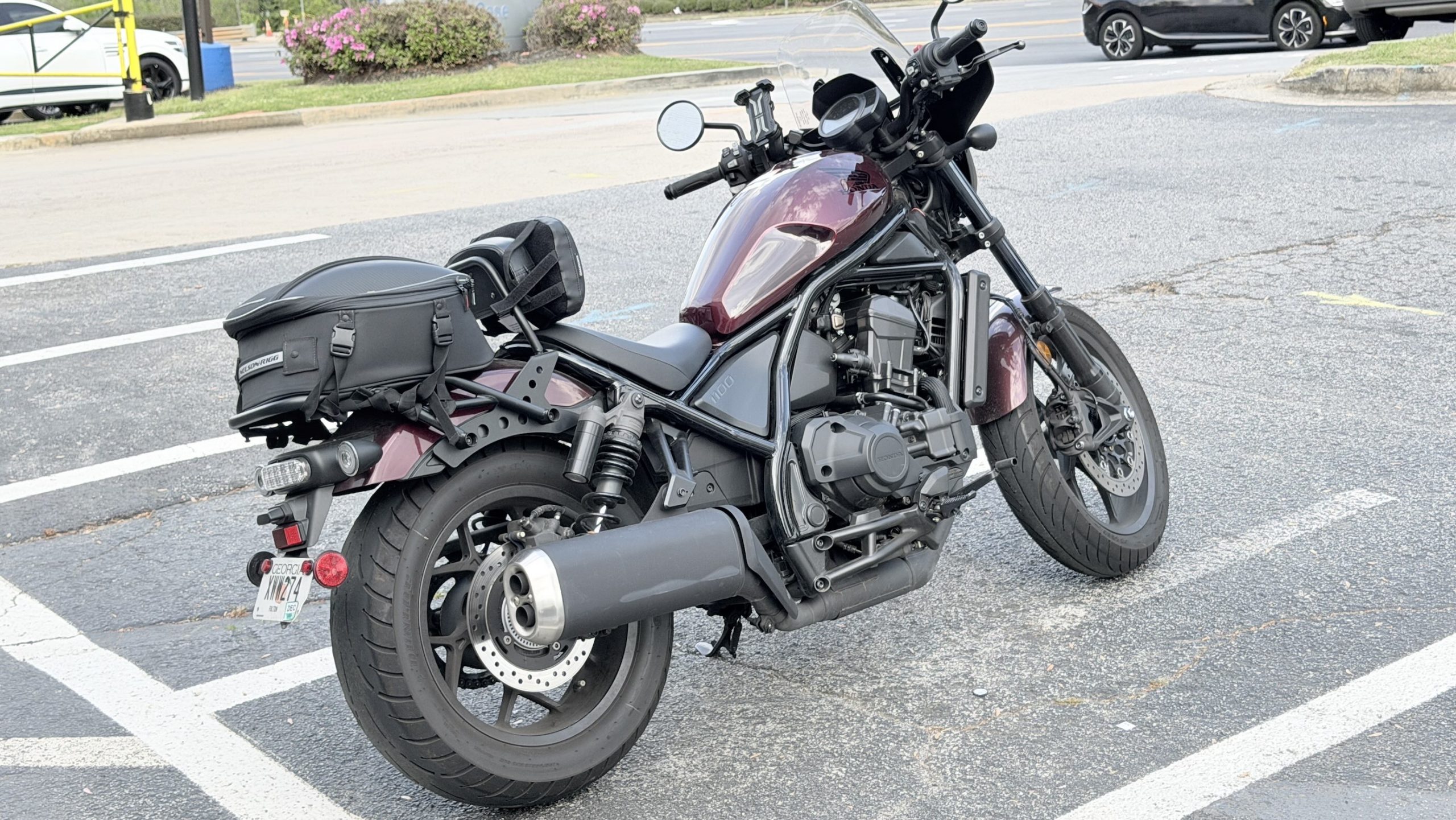
Another great spring day for a motorbike ride
2 April
2026
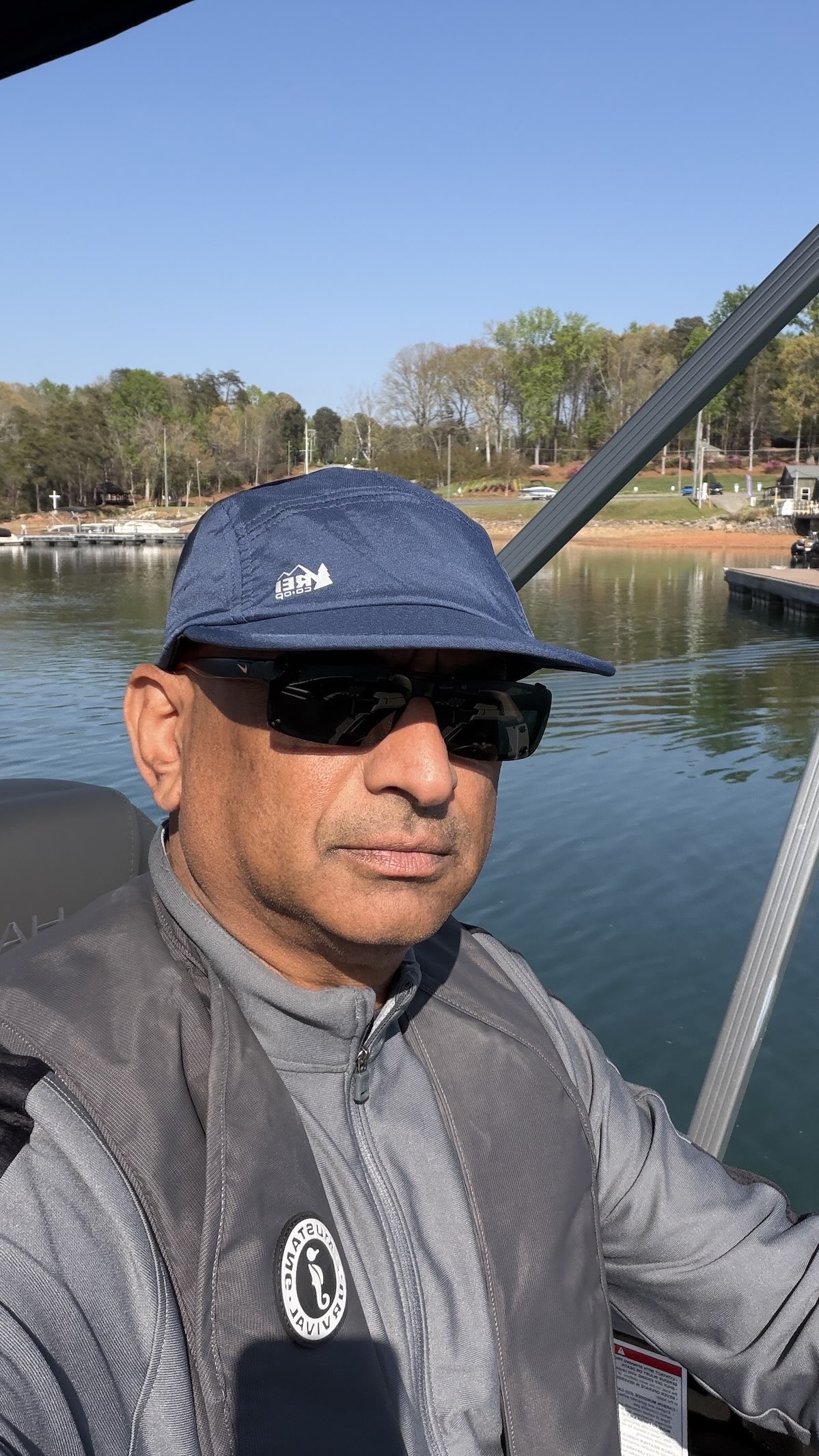
First boating this season
29 March
2026
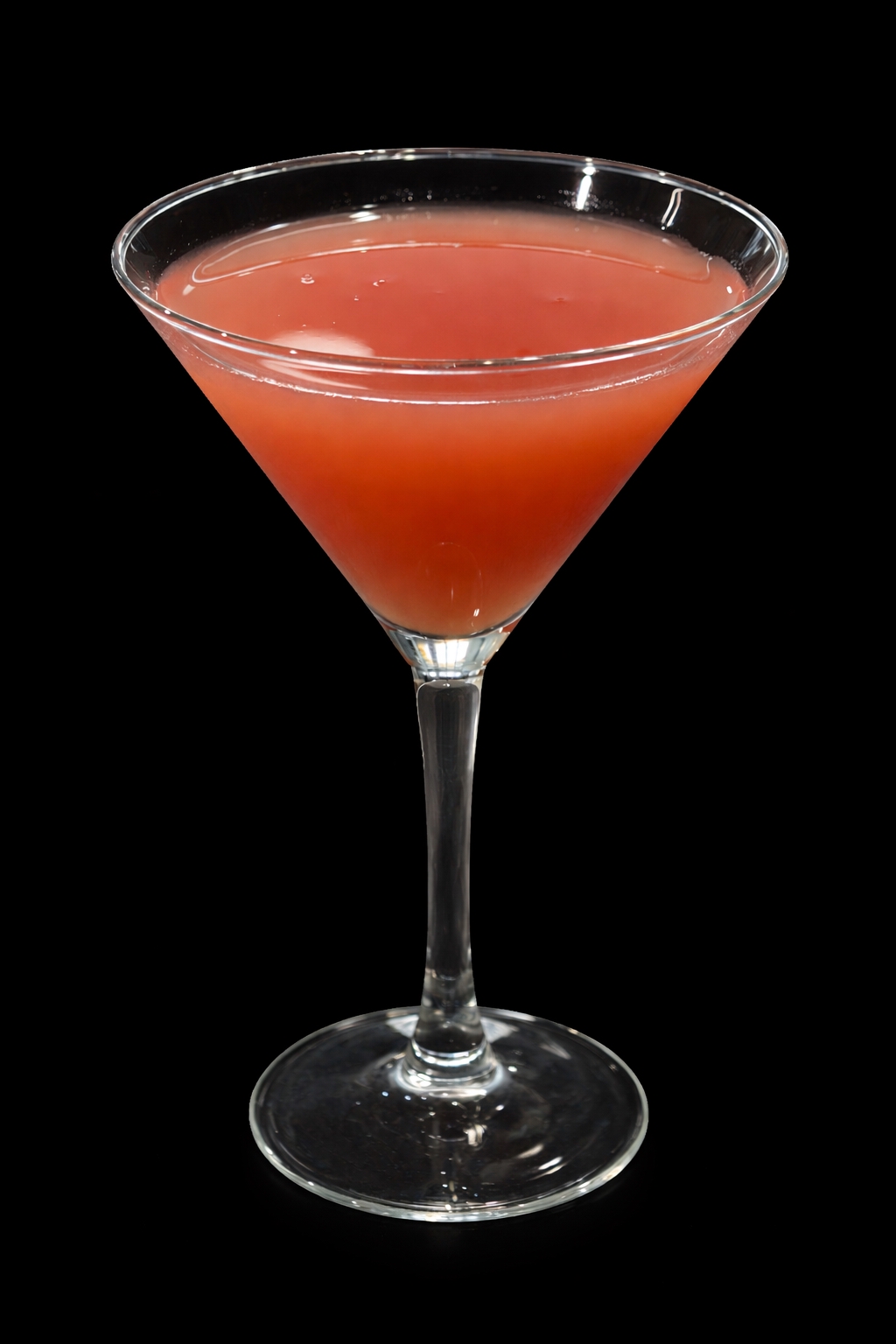
From the bartender’s corner – Pink Satin
29 March
2026
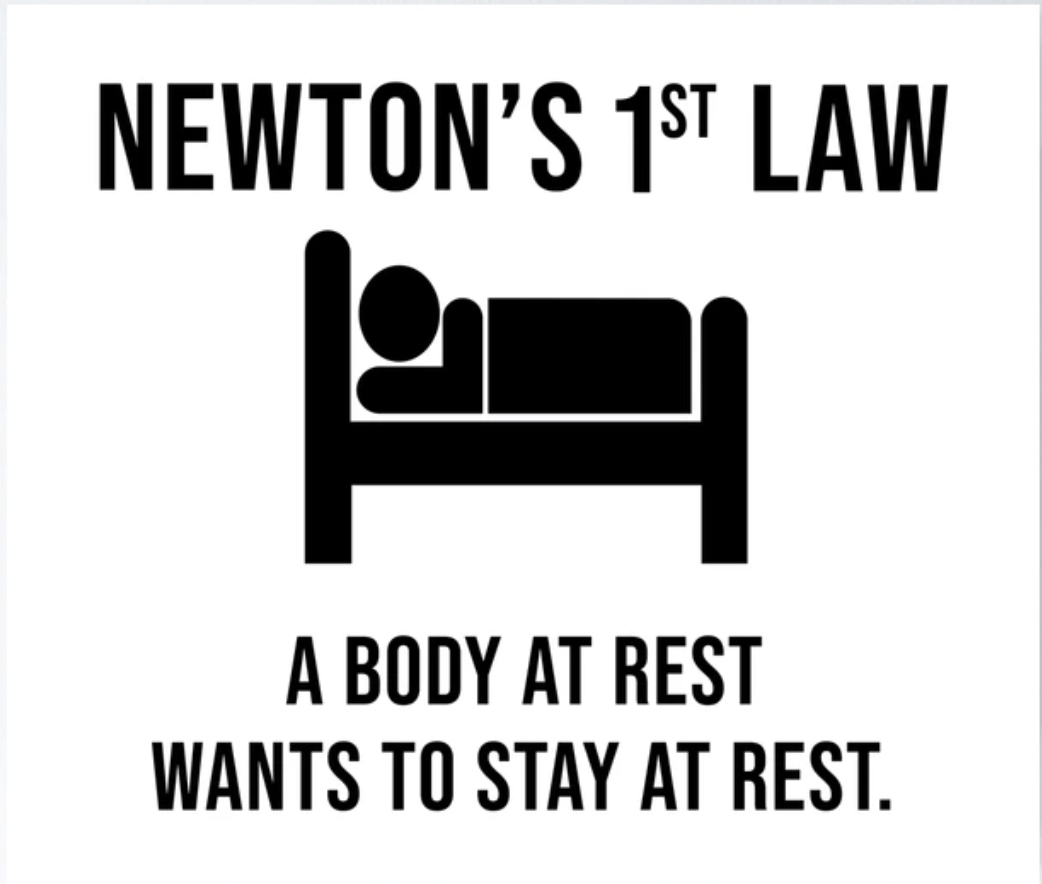
Physics 101 – how the pendulum swung
Lately, I’ve developed a passing interest in quantum physics. Not that I actually understand it – that would defy Feynman – but I do find it fascinating.
I closed a chapter this morning, and almost instantly my mind wandered back to a defining moment in my life. The moment when my love for physics really took shape.
I was in 8th grade. It was 1980. And I was… not doing great.
This wasn’t how it started. In 7th grade, when physics was first introduced to us in St. Xavier’s, Durgapur, I loved it. Newtonian mechanics made perfect sense. I still remember scoring 93 out of 100 in one of our term tests – comfortably 30 marks ahead of the next person. Life was good. Physics was better.
Then came 8th grade, and somehow the shine wore off.
I got stuck in a classic downward spiral – do badly in a test, lose interest, do worse in the next one, lose even more interest. Rinse and repeat. A dark, vicious cycle.
By the time we got to calculating resistance in series and parallel circuits, I had hit a wall. Not a gentle speed bump. A full, concrete, immovable wall. Nothing made sense.
And then came the wake-up call.
Our physics teacher, Debasish Mukherjee – fondly nicknamed “Lambda” (he was tall, thin as a rail, long limbs… the Greek letter felt appropriate) asked me to meet him after class.
I went over to the teachers’ quarters inside the school campus. It was a short meeting. No small talk. No warm-up.
He looked at me and said, “Ki hochheyta ki?”
Roughly translated: “What’s going on?”
No further context needed.
I don’t remember what I said. It was probably some indistinct mumble that convinced no one, including myself.
But something interesting happened on the walk back to the school bus queue. I didn’t feel crushed. I didn’t feel like giving up.
Instead, it felt like I had just been thrown a lifeline.
It wasn’t what he said. It was how he said it. There was an unspoken message in there: I know you’re better than this. Something’s in the way. What is it?
That stayed with me.
I went home, headed to Benachity, and picked up a few more physics books from Steel Market. And then, despite everything else going on, I started doing physics every single day.
And as it often happens – a little effort led to a little, but positive result. Solve one problem here, another there. Tiny wins. And those tiny wins started adding up.
The cycle flipped.
Confidence crept back in. Then momentum. Then consistency.
Over the next four years, I aced every single physics test. At one point, I even entertained the idea of becoming a physicist.
(The universe, thankfully, had other plans.)
The funny part? I never went back to “Lambda” (that should be Sir Lambda) to ask for help – even when I got stuck. Not even to show him I was trying. And I never told my parents about that meeting either. That would have guaranteed a second lecture at home, and I had already had my quota.
Since 1983, I’ve tried to track him down. Last I heard, he’d taken up a job at a bank in Kolkata and later moved to South India. I’ve managed to reconnect with several teachers from my childhood – but not him. He has consistently evaded me.
Looking back, it’s amazing how pivotal that moment was.
Three words: “Ki hochheyta ki?”
That was all it took.
I suppose that’s what great teachers do. They don’t just teach you the subject – they make you believe you can learn it.
All that said… quantum physics is still ridiculously hard 🙂